















We have offices in 5 countries: USA, Guatemala, Honduras, Nicaragua, Costa Rica, we also have commercial partners in El Salvador, Panamá, the Caribbean and South America.
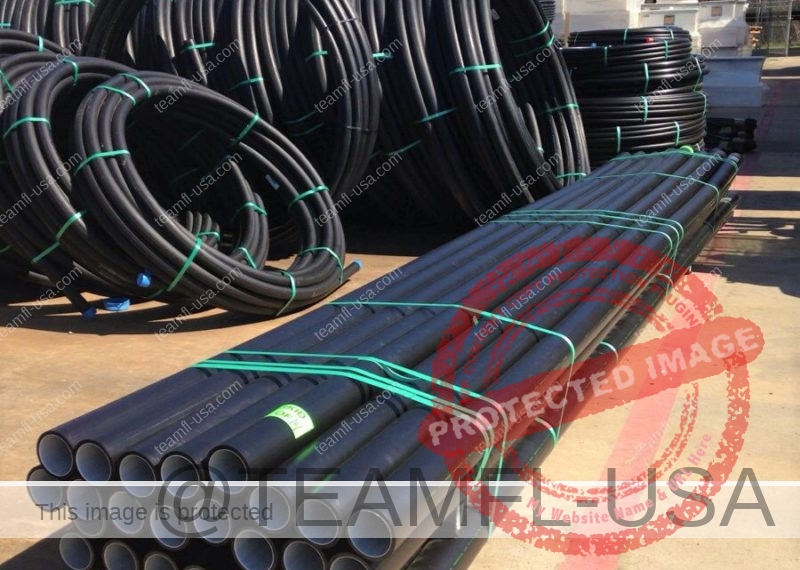
We provide high-quality pipes and accessories tailored for the petroleum industry.
Our clients benefit from premium-grade materials and precision manufacturing, made possible by fully automated production systems that ensure consistency and reliability.
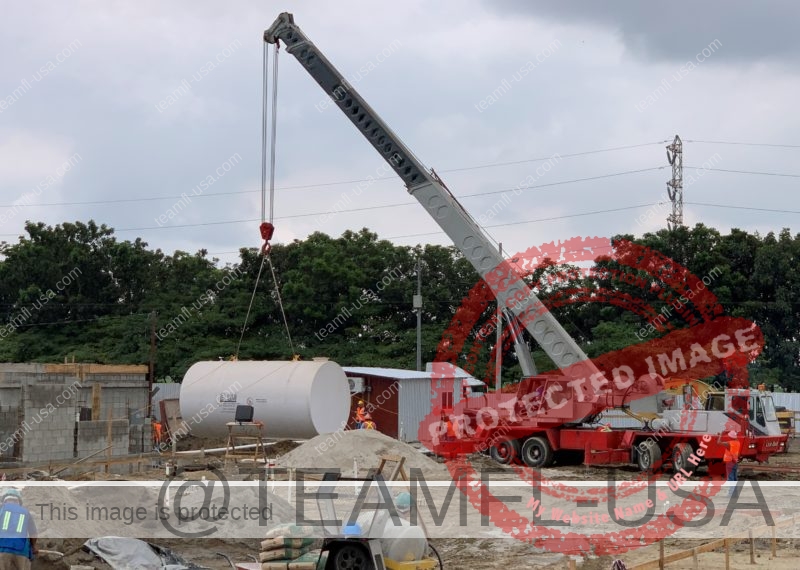
We offer a comprehensive portfolio of products and solutions designed to add value to the construction industry while promoting sustainable development.
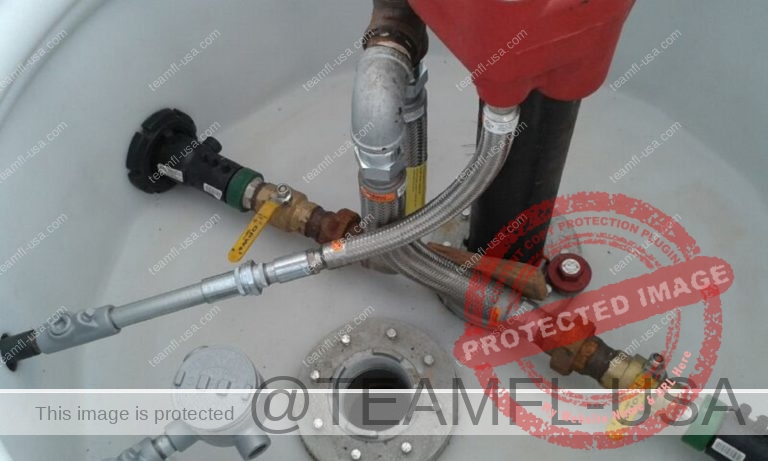
All of our accessories are sourced from manufacturers that meet international quality standards across a wide range of products. We carefully select materials based on the highest quality of raw inputs, advanced manufacturing technologies, and certified production processes. This ensures that everything we supply and install consistently meets, and often exceeds, both customer expectations and regulatory requirements. In addition, our experienced and responsive post-sales technical team ensures reliable support and performance throughout every project.
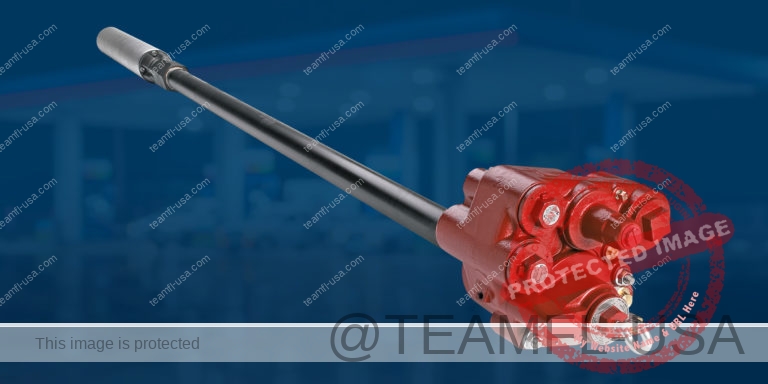
The Submersible Turbine Pump (STP) delivers fast, reliable fuel flow with exceptional cost efficiency.
Designed for optimal performance, STPs ensure high flow rates, among the best in the industry, making them ideal for jet fuel applications.
These pumps feature an advanced packing manifold design that simplifies installation and maintenance, making them one of the safest and most user-friendly submersible pumps available in the fuel sector.
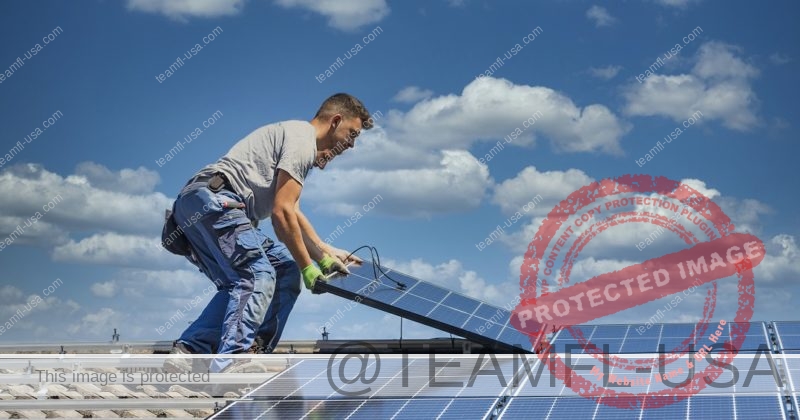
High-quality materials, backed by the expertise of our BlueSun Solar consultants, are selected to meet a wide range of market applications.
Our team ensures that every solution is tailored to deliver performance, reliability, and value across diverse solar energy needs.
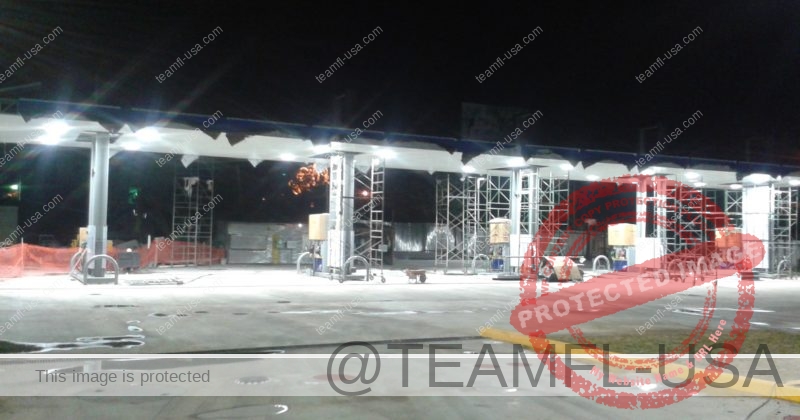
We offer a wide range of high-performance products, sourced from advanced manufacturing processes and high-quality materials.
Each product is backed by performance guarantees and delivers outstanding results, ensuring reliability and excellence in every application.
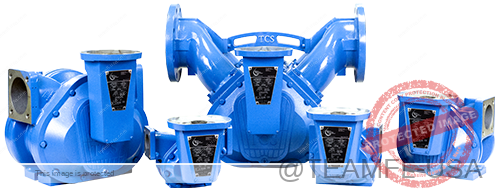
This meter is constructed with advanced materials, making it suitable for a wide range of measurement applications.
It comes complete with a full range of accessories and electronic registration options. Combining high accuracy with low pressure drop, the meter’s compact and lightweight design ensures minimal maintenance and extended service life.
The rotary flow meter features a straightforward, efficient design comprising a housing and three synchronized rotors that rotate within the measuring chamber, delivering reliable and consistent performance.
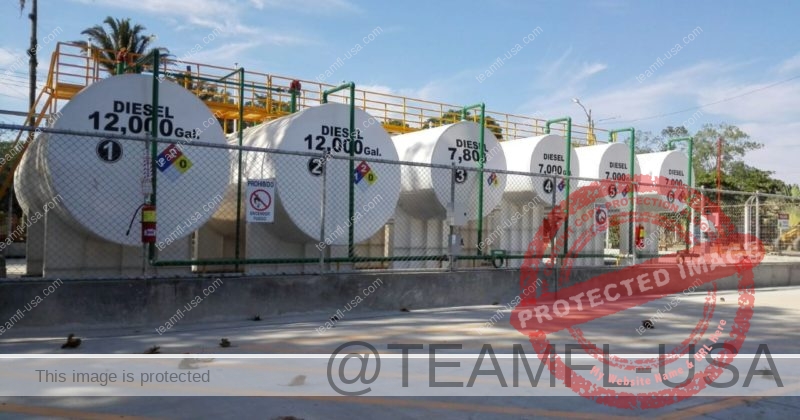
We provide a comprehensive range of professional solutions for non-commercial liquid transfer and fuel dispensing.
Our extensive experience with diesel transfer pumps, combined with evolving market needs, has led to the development of a new line of pumps suitable for gasoline, kerosene, and diesel.
These pumps are fully compliant with stringent ATEX directives, ensuring safe operation in potentially explosive environments.
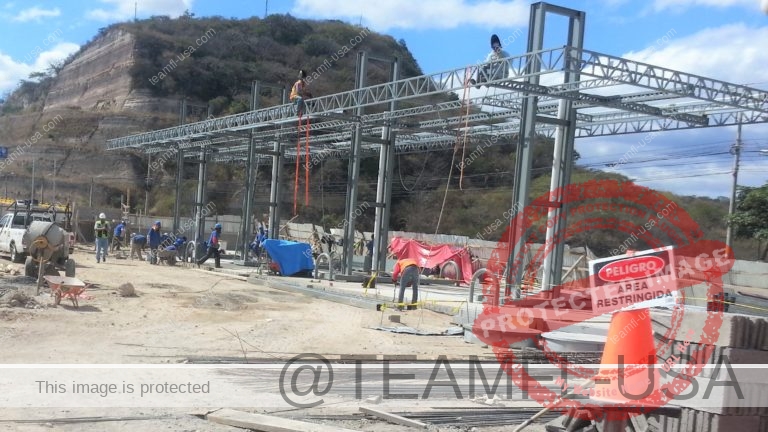
Reducing injuries begins with understanding and applying the proper safety protocols and protections.
In work environments where exposure to risk is constant, timely implementation of safety measures is critical to minimizing accidents and injuries.
Personal protective equipment (PPE) is specifically designed to safeguard workers from health and safety hazards on the job site. By consistently using the appropriate PPE, the number of preventable incidents can be significantly reduced, promoting a safer and more compliant work environment.
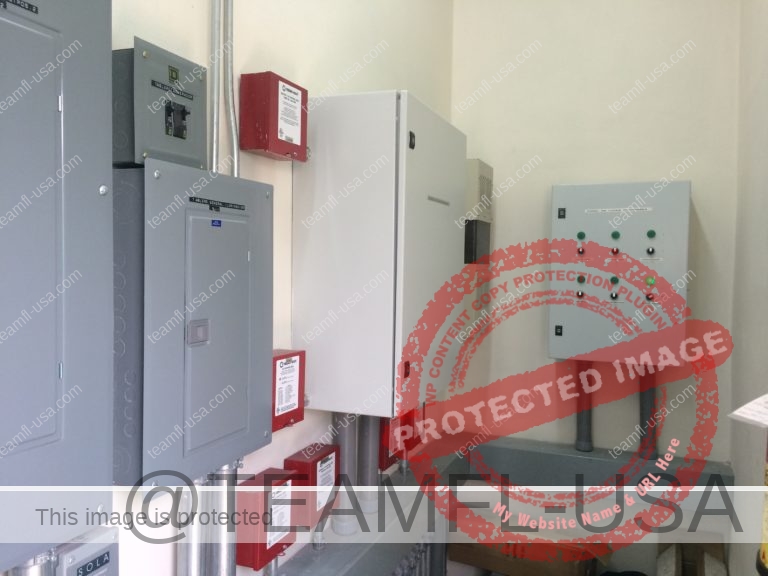
Area classification by zones or divisions forms the foundation for the proper design and specification of electrical systems in hazardous environments.
This classification determines the selection criteria for equipment characteristics, ensuring compliance with the major international standards, which provide equivalent guidelines for safety and performance.
Hazardous areas are defined as locations where the presence of flammable gases, vapors, or dust—combined with ignition sources—can create explosive environments.
When these substances are present in the right concentrations and mix with air, they can pose significant explosion risks, making the use of certified electrical equipment essential for safe operation.
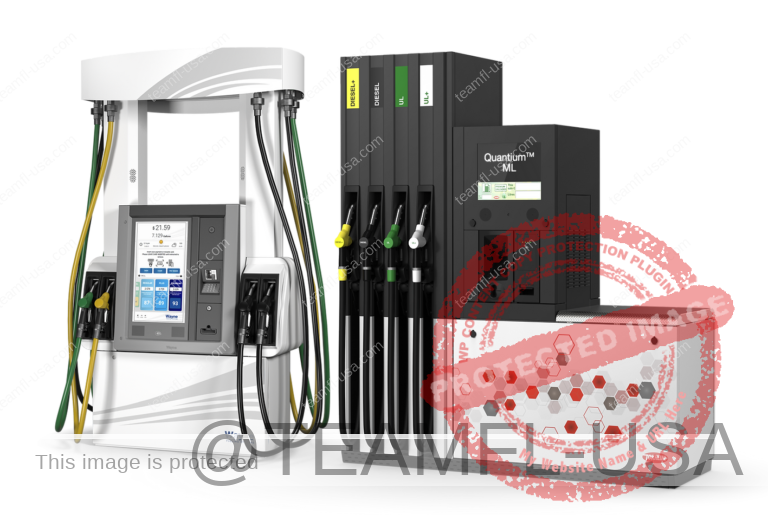
Wayne Fueling Systems, a company specializing in fuel dispensing equipment, offers dispensers that are designed for retail and commercial fueling applications, providing efficient and secure dispensing of various fuels, such as gasoline and diesel. These dispensers often come equipped with advanced technologies, like electronic payment systems and monitoring features, to enhance the overall fueling experience for both consumers and fuel station operators.
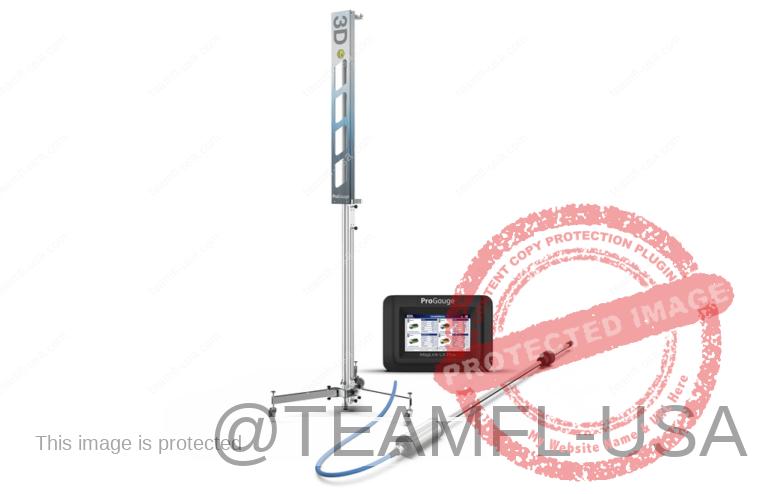
Tank gauging is a method used to measure the level, volume, and temperature of liquids in storage tanks. It involves instruments and sensors to provide accurate data, essential for managing inventory, preventing overflows, and ensuring safe storage and transportation of liquids.
In the tank industry, metering refers to the precise measurement of fluid flow rates in and out of tanks. Metering systems are employed to monitor the quantity of liquid transferred, helping with accurate billing, process control, and inventory management. This ensures efficient operations and compliance with regulatory standards in industries like oil and gas, chemicals, and logistics.
I know TEAM since 2008, we had worked together in many countries. During the past 13 years our company BTS TOWERS has been working with TEAM on numerous projects. TEAM offers high quality services and products. With TEAM you have a partner for your business. We can say that we have always been satisfied by their work. TEAM do an excellent job, are always punctual and offer the most competitive rates in town.

For several years since 2005, TEAM has worked effectively, this has been their cornerstone for the development and expansion they have today. They are a very proactive company that helps their client and see their counterpart as a team. We have done numerous projects and they have always had the highest levels of excellence. It has been a great help for us to be able to count on a team with drive, commitment and the best prices in the market, according to their quality. We are totally satisfied with the work delivered by TEAM.